I almost didn't drive the Silvretta. A colleague in Vienna mentioned it offhandedly during a lunch—"nice enough, but not Grossglockner"—and I mentally filed it away as a B-list destination. Three years later, sitting by the Vermunt reservoir at dawn with fog drifting over water so impossibly blue it looked artificial, I understood how wrong that assessment was.
The Silvretta doesn't compete with Grossglockner. It doesn't need to. It operates in an entirely different register—quieter, more contemplative, the kind of road that rewards patience and early starts.

The Route: Connecting Two Valleys
The Silvretta High Alpine Road runs 22.3 kilometers from Partenen in the Montafon valley (Vorarlberg) to Galtür in the Paznaun valley (Tyrol). It crosses the Bielerhöhe pass at 2,036 meters, threading between the Silvretta and Verwall mountain groups.
The road was completed in 1954, making it considerably younger than the Grossglockner. You can feel the difference in the driving experience—the Silvretta feels more functional, less theatrical, which isn't a criticism. Some days you want opera; other days you want a quiet conversation.
Practical Information
Season: Usually late May to late October (weather-dependent)
Toll (2025): Approximately 17 EUR for cars, 12 EUR for motorcycles
Length: 22.3 km
Highest point: Bielerhöhe at 2,036 m
Character: Less technical than Grossglockner, more contemplative
The Vermunt Moment
My most vivid Silvretta memory happened by accident. I'd planned an early start to beat any traffic (old habits), and arrived at the Vermunt Stausee—a reservoir just below the Bielerhöhe—around 6:45 AM. The valley was filled with thick fog, visibility maybe thirty meters.
I pulled over, annoyed. I'd come for views, and here was a wall of gray. Made coffee from my travel kit, sat on the hood of my car, and waited.
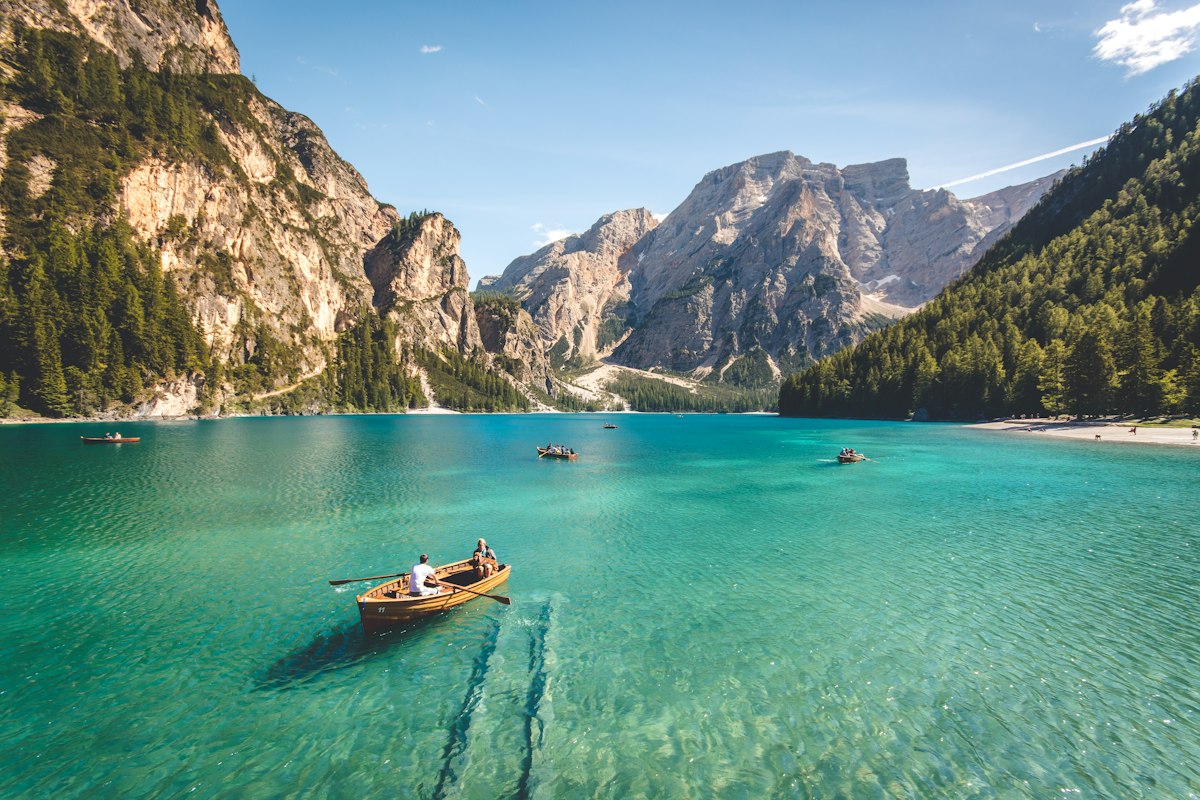
Over the next forty-five minutes, the fog performed. It thinned, thickened, parted in sections to reveal fragments of peaks, then closed again. The reservoir emerged gradually—first a silver gleam, then a defined edge, finally that remarkable turquoise that comes from glacial sediment. By 7:30, the fog had retreated to ribbons flowing between the peaks, and I had finished three cups of coffee and developed a profound attachment to this random patch of asphalt.
I didn't take the car out of park for another hour. Sometimes the best moments on these roads happen when you're not moving at all.
What the Silvretta Does Differently
The Grossglockner is about spectacle—engineering drama, glacier views, tourist infrastructure. The Silvretta takes a different approach:
The Reservoirs
The Vermunt and Silvretta reservoirs (Stauseen) define this road. They're working hydroelectric infrastructure, not built for tourism, and that utilitarian honesty somehow makes them more compelling. The dams themselves are impressive—the Silvretta dam is 80 meters high—and the water color shifts through the day from silver to turquoise to deep blue.
The Scale
The Silvretta massif feels closer here. On Grossglockner, you're viewing peaks from a distance; on Silvretta, you're nestled among them. The road hugs the terrain rather than dominating it.
The Crowds (or Lack Thereof)
Even in peak August, I've rarely encountered more than a handful of cars at the Bielerhöhe parking area. Compare this to Franz-Josefs-Hohe on Grossglockner, where tour buses line up on summer mornings. The Silvretta attracts fewer visitors, and those who come tend to be hikers using the road as access to trails rather than motorists doing drive-throughs.
"The Silvretta rewards those who aren't in a hurry. It's a road for morning people and fog enthusiasts—which, it turns out, I am."
Stops Worth Your Time
Vermunt Stausee
The lower of the two reservoirs, with easy parking and a path along the water's edge. This is where my fog experience happened. On clear days, the reflection of the surrounding peaks in the still water is remarkable.
Bielerhöhe
The pass summit, with the larger Silvretta reservoir, a restaurant, and access to hiking trails. The restaurant is basic mountain fare—nothing fancy—but they make excellent Kaiserschmarrn, and the terrace view is worth a slow lunch.
Wiegensee (Hiking Detour)
If you have time, the hike to Wiegensee lake from Bielerhöhe takes about 1.5 hours each way and rewards you with a pristine high-alpine lake that's significantly less accessible than the roadside reservoirs. I did this hike on my third Silvretta visit and consider it essential for anyone who enjoys walking.
Driving Characteristics
The Silvretta is technically easier than Grossglockner. Fewer hairpins, gentler grades, wider lanes. This makes it ideal for:
- First-time alpine drivers who want to build confidence
- Larger vehicles (campervans manage it comfortably)
- Days when you want scenic driving without white-knuckle moments
- Combining with longer routes—the Silvretta connects nicely to the Arlberg pass region
That said, it's still a mountain road. Weather changes quickly, and the ascent from Partenen involves sustained climbing that will test any vehicle's cooling system on hot days.
Combining with Other Routes
The Silvretta sits in a remarkable part of the Alps. Within reasonable driving distance:
Arlberg Pass: 45 minutes from Galtür. A different style of mountain road—wide, fast, a major traffic route—but the views descending into Lech are stunning.
Flexenpass: Often combined with Arlberg, one of Austria's most dramatic short passes with tight switchbacks through spectacular terrain.
Swiss Engadin: The town of Scuol is about an hour south, and from there you can access Swiss alpine roads including the dramatic Flüela Pass.
Best Conditions
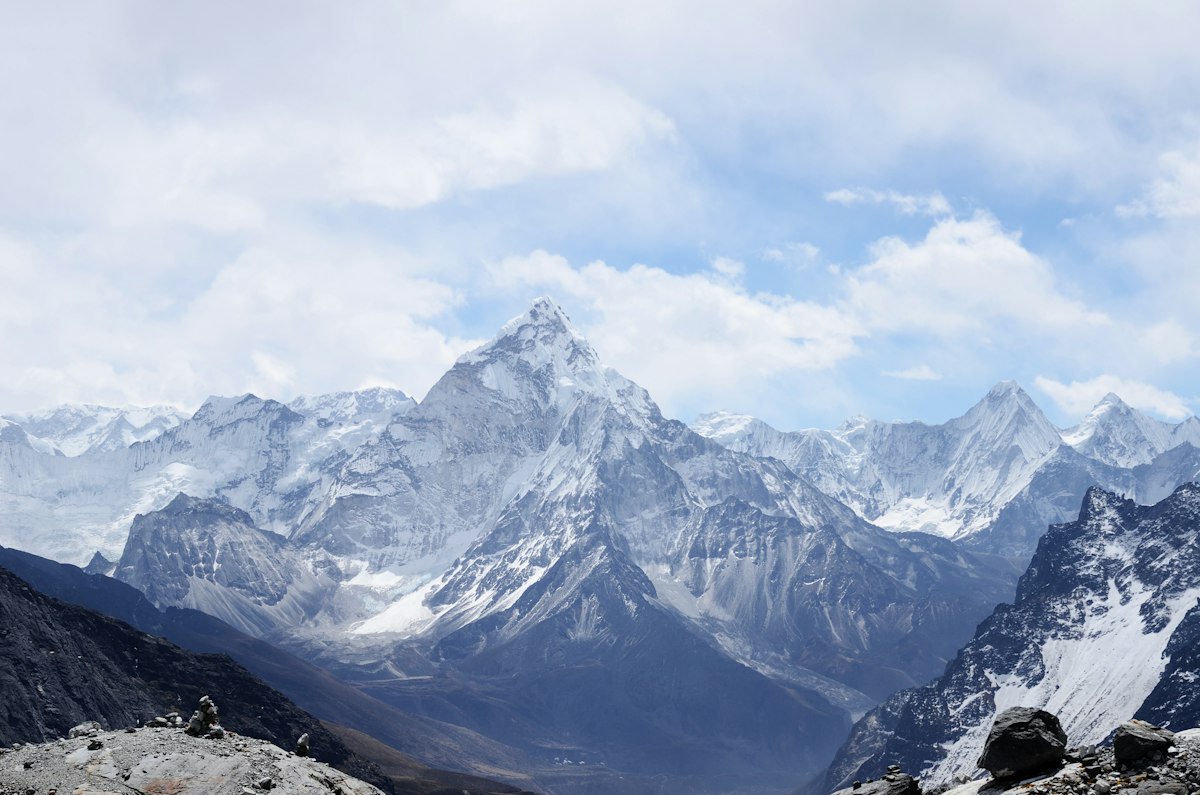
Early morning, slight overcast, maybe some valley fog. The Silvretta performs best in these conditions—the soft light brings out the blues in the reservoirs, and fog adds atmosphere without obscuring the views entirely.
Full sun at midday can actually be challenging photographically—the contrast between snow, water, and rock becomes harsh. But for pure driving enjoyment, any dry day works.
Final Thoughts
I've driven the Silvretta six times now, and my appreciation has only grown. It's the road I recommend to friends who ask for something "like Grossglockner but quieter." It's where I go when I want to think, to sit by water, to watch fog do its work.
The colleague who dismissed it was measuring with the wrong criteria. The Silvretta isn't trying to be spectacular—it's trying to be beautiful in a quieter register. For certain moods and certain mornings, it succeeds completely.
Official Resources
Vorarlberg Tourism - Regional tourism information
Montafon Valley - Information about the valley region
Paznaun Valley - Information about the Tyrolean side