My brother-in-law Thomas is the kind of person who needs convincing. When I suggested an alpine road trip during his visit from Hamburg, he responded with the enthusiasm of someone being invited to watch paint dry. "Another mountain road? You've shown me three already."
The Gerlos changed his attitude. Not through dramatic hairpins or glacier views—through water. Specifically, 380 meters of water falling in three stages, creating a roar you can hear a kilometer away. The Krimmler Waterfalls sit at the western entrance to the Gerlos Alpine Road, and they have a way of resetting expectations.
The Route: Short but Varied
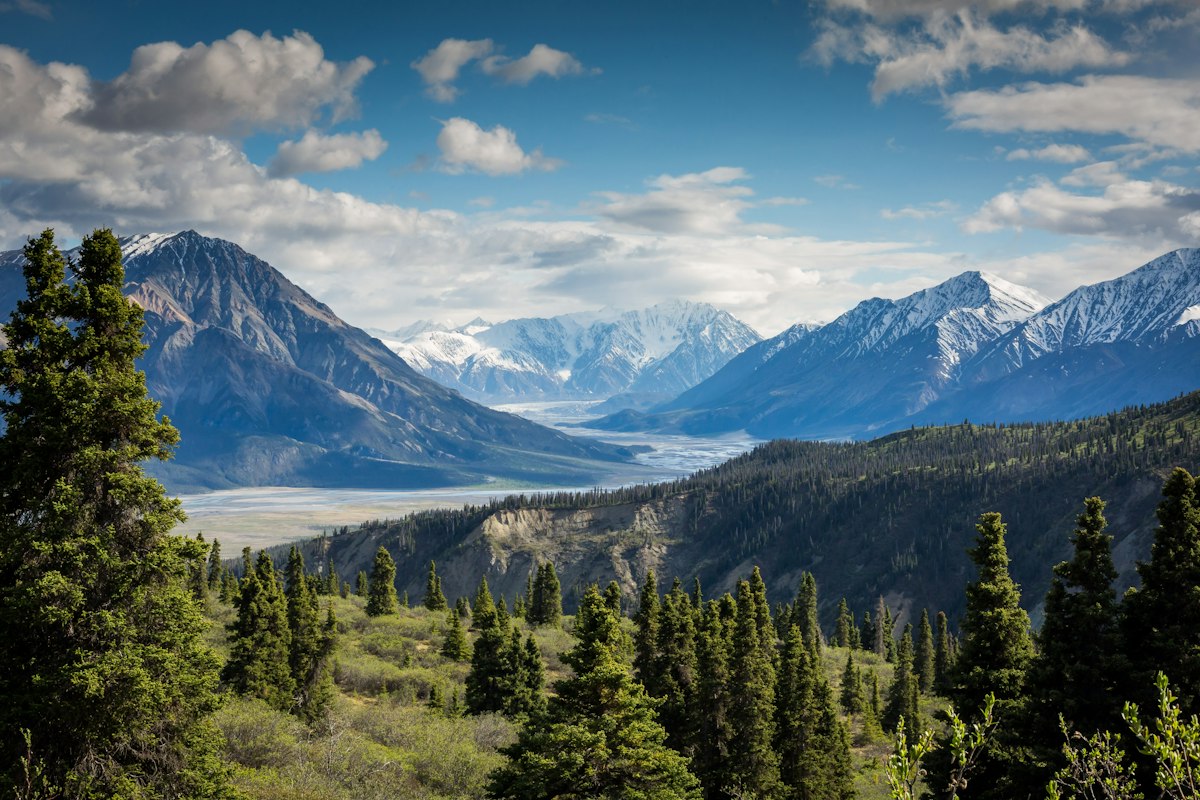
The Gerlos Alpine Road (Gerlos Alpenstraße) is considerably shorter than its more famous cousins—just 12 kilometers of toll road connecting Krimml in Salzburg province to Gerlos in Tyrol's Zillertal. It crosses the Gerlos Pass at 1,507 meters, making it one of the lower alpine passes in Austria.
Don't let the modest stats deceive you. What the Gerlos lacks in elevation, it compensates for in variety. Within a morning's drive, you get waterfalls, alpine meadows, glacial views, and access to one of the most traditional valleys in the Tyrol.
Practical Information
Season: Open year-round (toll section), waterfalls best May-September
Toll (2025): Approximately 12 EUR for cars, 9 EUR for motorcycles
Length: 12 km toll section
Highest point: Gerlos Pass at 1,507 m
Special feature: Access to Krimmler Waterfalls (Europe's highest)
The Waterfalls: Why Everyone Comes
I need to be honest: if you're visiting the Gerlos Alpine Road, the waterfalls are probably the main attraction. The Krimmler Waterfalls (Krimmler Wasserfälle) drop 380 meters in three stages, making them the highest waterfalls in Austria and among the highest in Europe.
The statistics don't capture the experience. Standing at the lower viewpoint, you feel the falls before you see them properly. The air changes—cooler, wetter, charged with something. The sound builds from a distant rumble to a constant, comprehensive roar that makes conversation difficult.
The Hike
A well-maintained path climbs alongside all three stages of the falls. It takes about 1.5 hours to reach the top viewpoint, and I strongly recommend doing the full hike. Each stage has its character—the lower falls are the most powerful, the middle falls offer the closest approach, and the upper falls reveal the source stream emerging from the valley above.
My brother-in-law, the skeptic, stood silent at the middle viewpoint for nearly ten minutes. Not checking his phone, not commenting, just watching the water. Later, he admitted it was the most impressive natural sight he'd seen in Europe. I graciously did not say "I told you so," though it was difficult.
Practical Tips for the Falls
- Bring waterproof layers. Not might get wet—will get wet. The spray reaches the path at several viewpoints.
- Good shoes matter. The path is paved but steep and can be slick from spray.
- Allow 2-3 hours minimum. You can rush it in less, but why would you?
- Early morning is best. By 10 AM in summer, the path gets crowded.
- The parking area fills up. Arrive before 9 AM in peak season or prepare to wait.
"The Gerlos road asks a different question than the other alpine routes. It's not 'how high can we climb?' but 'what else is here?' The answer, it turns out, is quite a lot."
Beyond the Waterfalls: What Most People Miss
If the Krimmler Waterfalls were all the Gerlos offered, it would still be worth the drive. But there's more.
The Gerlos Valley (Gerlostal)
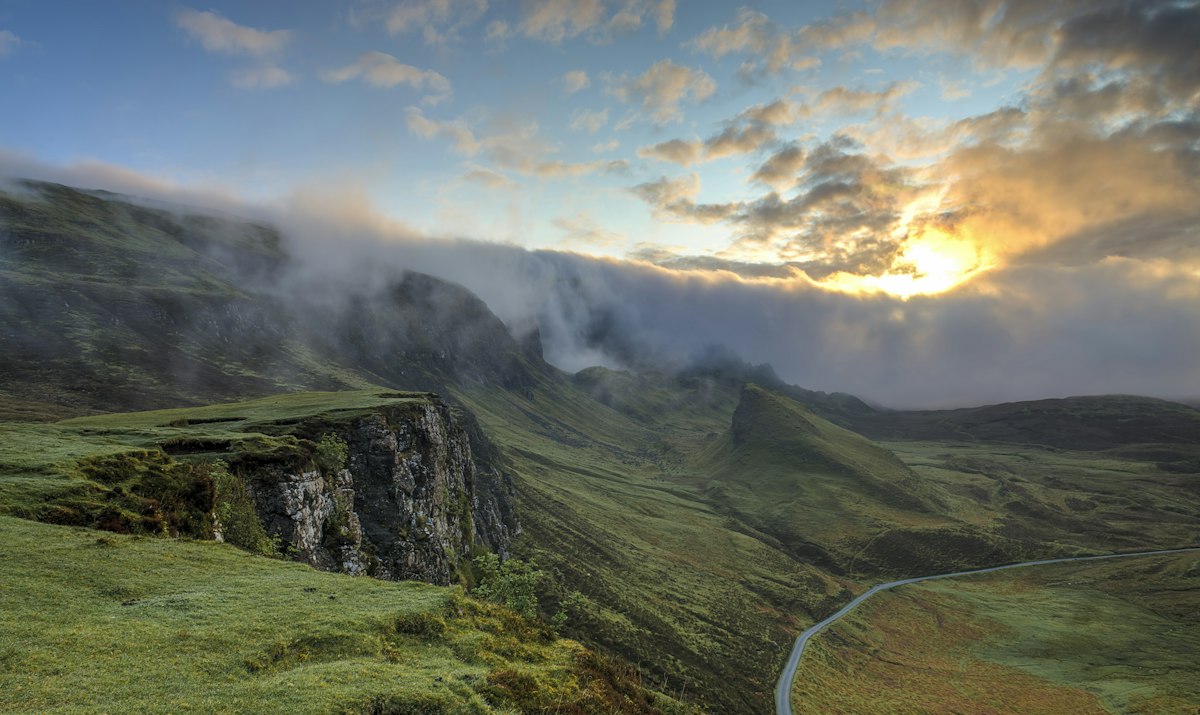
After crossing the pass into Tyrol, you descend into the Gerlos valley. This is traditional Tyrolean farming country—wooden chalets, flower boxes, cattle bells audible from the road. The village of Gerlos itself is a small ski resort in winter, but in summer it's peaceful and relatively untouristed.
Durlassboden Reservoir
About 5 kilometers past the pass, the Durlassboden Stausee appears. It's not as dramatic as the Silvretta reservoirs, but it's lovely—especially in late afternoon when the light goes golden and the surrounding peaks reflect in the water.
Zillertal Connection
The road continues into the Zillertal (Ziller Valley), one of Austria's most famous valley systems. From Gerlos, you can drive down to Zell am Ziller and beyond to Mayrhofen, where the valley branches into four dramatic side valleys. The Zillertal has excellent hiking, traditional mountain huts, and the famous Zillertalbahn narrow-gauge railway.
Driving the Gerlos
The Gerlos is the easiest of the three roads I write about here. The pass is lower, the grades are gentler, and the road is wider. For nervous drivers or those with larger vehicles, it's an ideal introduction to alpine driving.
That said, don't confuse "easier" with "boring." The ascent from Krimml offers several dramatic hairpins with views back toward the waterfalls. The descent into the Zillertal reveals the classic U-shaped glacier valley in textbook fashion.
Combining Routes
The Gerlos fits naturally into longer itineraries:
Grossglockner Connection: From Krimml, it's about 40 minutes to Bruck and the northern entrance of the Grossglockner road. Combining both in a single day is ambitious but possible if you start early.
Salzburg Circuit: The Gerlos can anchor a loop from Salzburg through Kitzbühel, over the pass to Krimml, then back via Zell am See.
Zillertal Exploration: Use the Gerlos as entry to a few days exploring the Zillertal's side valleys, then exit via the same route or the Brenner to the south.
Best Season for the Gerlos
The toll road is open year-round, but the waterfalls dictate the timing for most visitors:
May-June: Peak water volume from snowmelt. The falls are at their most powerful, though the higher hiking path may still be closed by snow.
July-August: Busiest period. Arrive early to avoid crowds. The full waterfall path is open.
September: My preferred month. Water volume is still substantial, crowds thin dramatically, and autumn colors begin in the valley.
Winter: The waterfalls partially freeze, creating ice sculptures. A different experience entirely, but potentially dramatic. Access is limited.
Thomas's Verdict
My brother-in-law, who had entered the day expecting another "just another mountain road" experience, returned to Hamburg a convert. He's since visited the Gerlos twice more—once with his wife, once with friends he wanted to impress.
His assessment: "The falls alone justify the trip. But the drive through the Zillertal afterward, with those wooden farmhouses and the valley opening up—that's when I understood what you'd been trying to tell me about these roads."
I'll take that as a win.
Final Thoughts
The Gerlos Alpine Road doesn't dominate like Grossglockner or contemplate like Silvretta. It surprises. It offers something unexpected—waterfalls at road level, traditional alpine culture, access to one of Austria's finest valley systems. It's the road I drive when I want to remember that mountain roads aren't just about climbing; they're about what you find along the way.
Bring waterproof shoes. Trust me on this.
Official Resources
Krimml Tourism - Waterfall information and local details
Krimmler Waterfalls Official - Opening times and access information
Zillertal Tourism - Information about the connecting valley